
Where should a porta potty be placed on a job site?
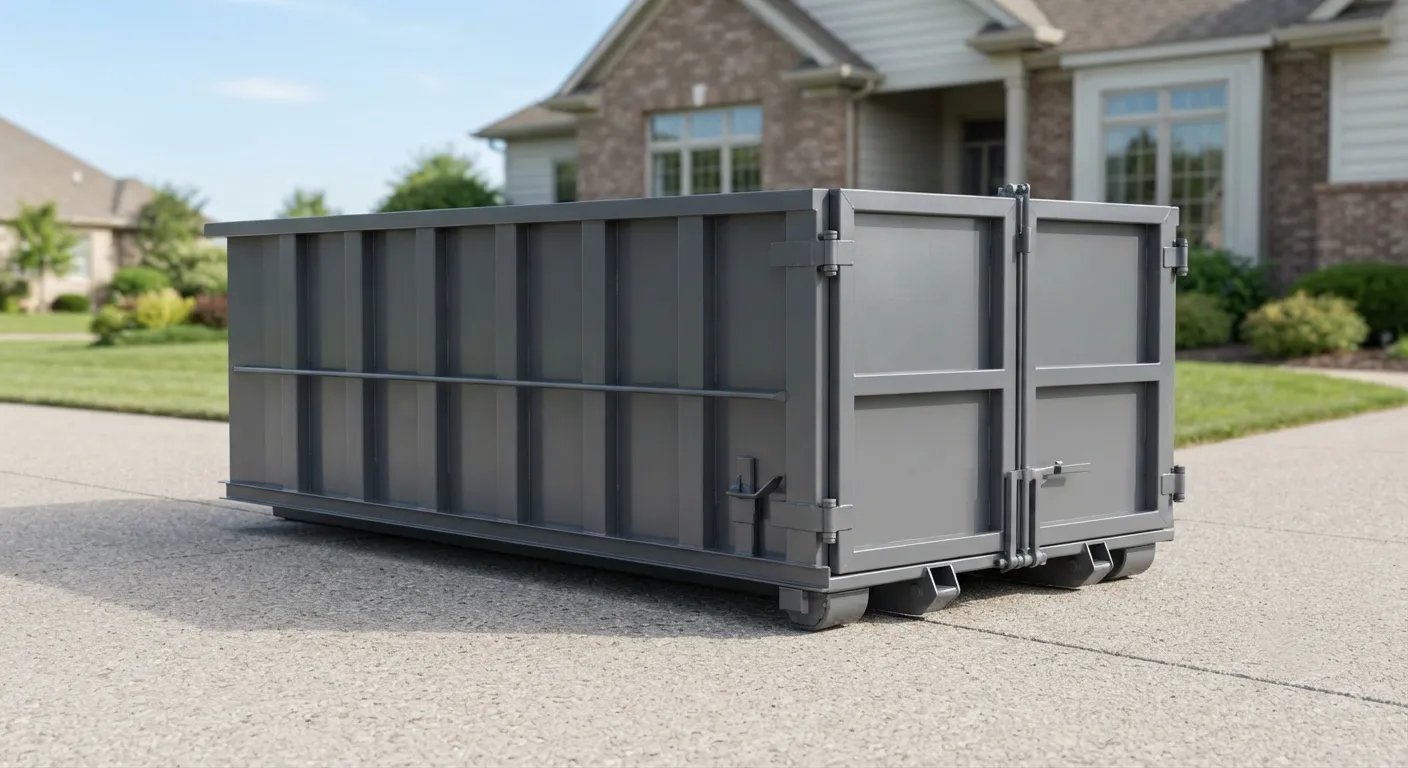
Pick a spot on level, stable ground, close to where crews actually work but out of the main foot path. ADA Standards section 302.1 calls for floor and ground surfaces that are stable, firm and slip resistant, so gravel or a plywood pad under the unit beats loose dirt or a slope. Leave a straight run for the service truck since our pumper needs a clear approach similar to the 60 feet of straight clearance a roll-off dumpster rental delivery needs behind the truck. If you're staging near a building entrance in Visalia, keep the unit off the accessible route entirely, and check our porta potty rental checklist before delivery day so nothing gets rescheduled. Placement near a curb or in the public right of way in Visalia needs confirming with the city; we don't guess at that rule, we call and ask before we drop a unit there.
How many porta potties do I need and where do they go?
Worker count sets the number, and spacing sets the layout. OSHA 1926.51(c)(1) requires 1 toilet facility for 20 or fewer construction workers, then 1 toilet seat and 1 urinal per 40 workers as headcount climbs to 200. Spread units across the site rather than clustering them at one gate, so nobody walks a quarter mile to reach one. Our how many porta potties do I need guide runs the math by crew size and shift length. If you're mixing a standard porta potty rental with an ADA accessible porta potty, ADA Standards section 213.2 requires at least 5 percent of a cluster to be accessible units, never fewer than one. Give that unit its own 60 inch turning circle per ADA Standards section 304.3.1, and keep the approach at least 36 inches wide per section 403.5.1. Full detail lives on our portable toilet rental page.
Can porta potties go near drains, water sources or doorways?
No. Keep every unit away from storm drains, wells and any point where runoff could reach a water source, and keep doorway clearance for swing and daily servicing. OSHA 1926.51(a)(1) requires an adequate supply of potable water at the site, and that supply line is one more reason to route units away from drainage paths, not toward them. Door clearance matters for accessible units especially, since ADA Standards section 404.2.3 sets a 32 inch minimum clear door opening, and a unit crowded against a fence or dumpster can choke that width fast. If the job also runs a handwashing station rental or a portable sink rental, keep replacement parts on hand; Ozark River portable sink replacement parts are worth stocking if your crew runs one of those units through a long job, since a cracked soap dispenser or a worn foot pump shouldn't stall the whole line. 29 CFR 1910.141(d)(2) requires soap and towels or a hand-drying device at washing facilities, and hand sanitizer alone doesn't satisfy it.
Does placement change for dumpsters, storage containers or fencing?
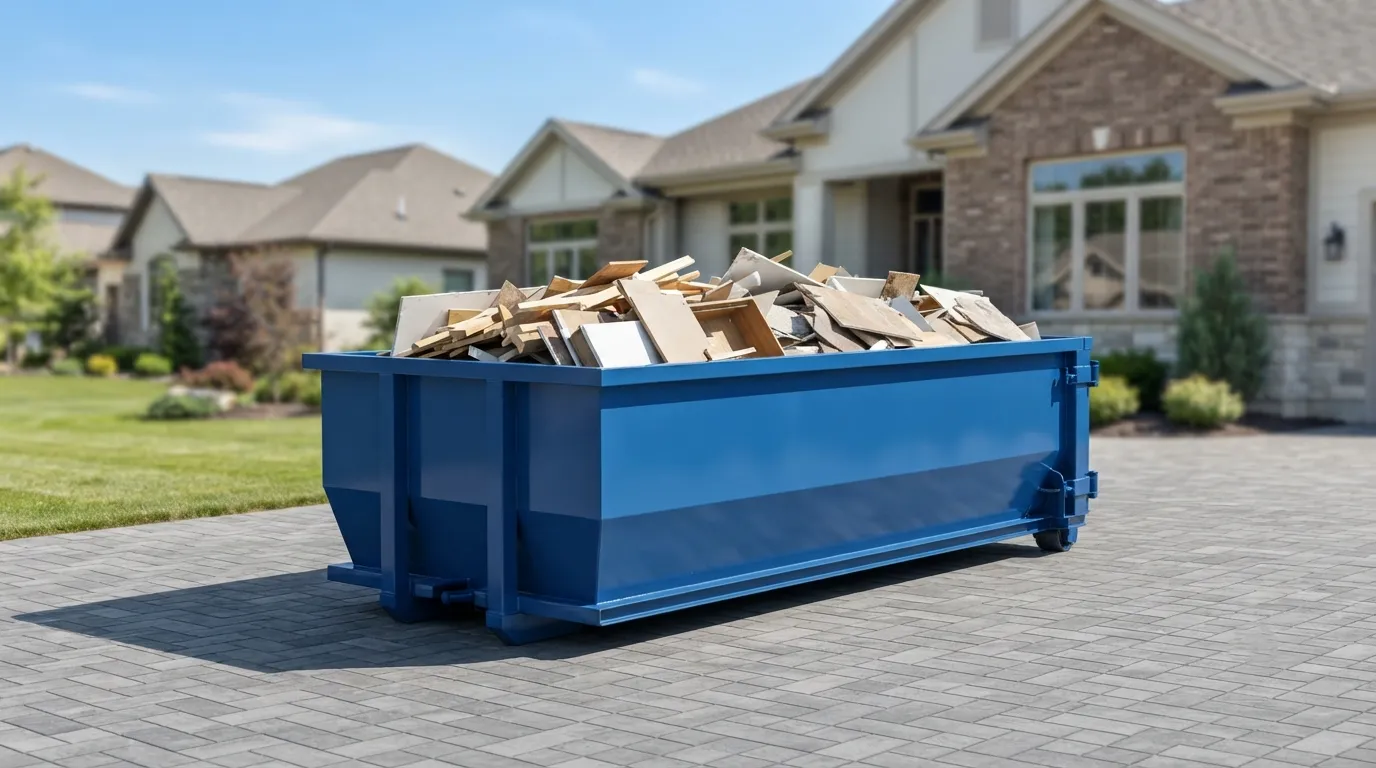
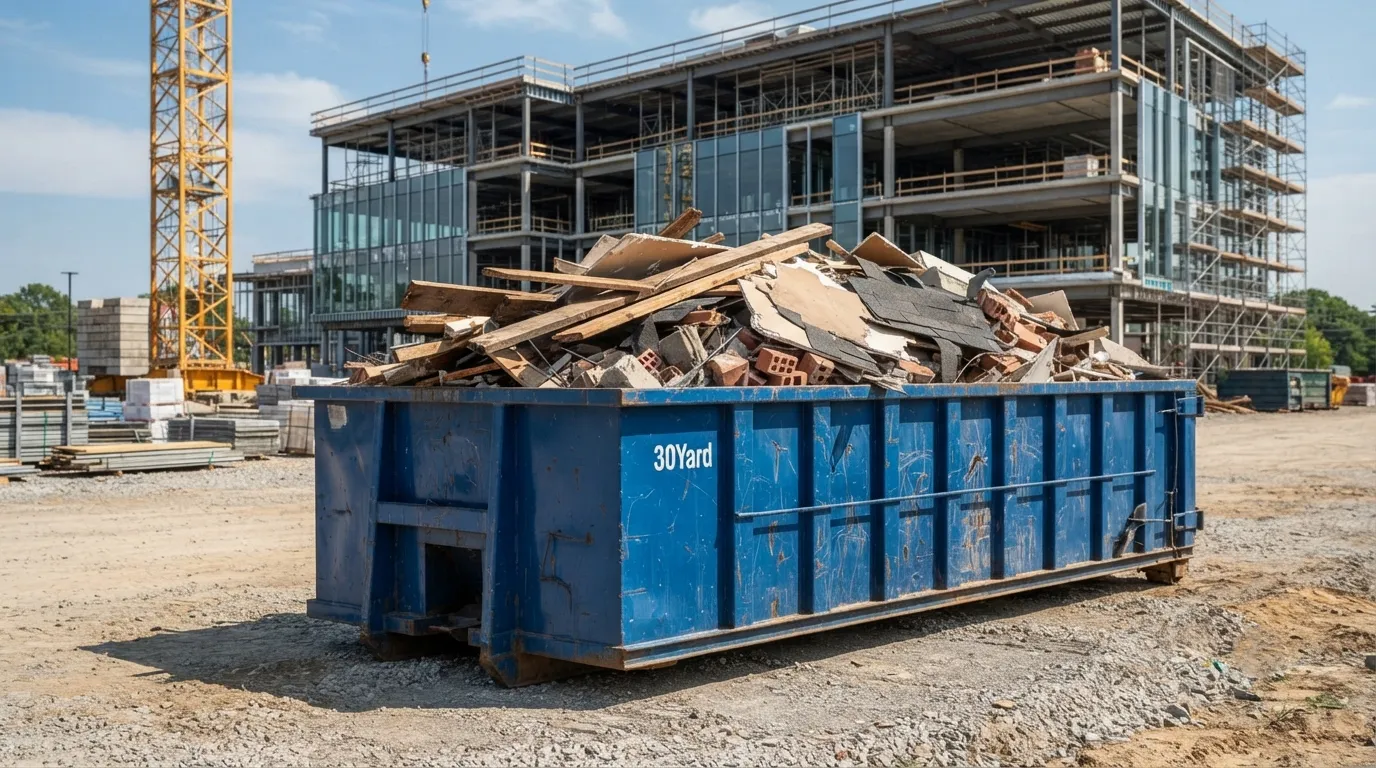
Yes, each has its own footprint rules. A roll-off dumpster rental needs that straight 60 foot approach behind the truck, so driveway slope and overhead wires matter more than for a toilet. Dumpster placement permit cost and whether a dumpster placement permit is even needed depends on whether the container sits on the street or on private property in Visalia; that's a city call, not something we invent a number for, so check our dumpster permit requirements page before you commit to a spot. A storage container rental or mobile office trailer rental wants a hard, level pad, and if the trailer has mobile office trailer replacement doors needed after storm damage or heavy use, plan swing clearance the same way you would for a restroom unit. Temporary fence rental panels should follow OSHA 1926.202, which calls for barricades that meet ANSI D6.1, keeping the perimeter predictable for anyone walking the Visalia site after dark, especially with lighting handled through a light tower rental.
| unit | duration | typical price |
|---|---|---|
| standard | day | $150 |
| standard | week | $200 |
| ada | week | $185 |
| delivery_fee | day | $150 |
Septic work follows its own placement logic too. A residential tank is typically pumped every 3 to 5 years depending on tank size and household size, and if you're farther out, Placerville septic pumping service and other outlying calls usually carry a longer drive, which is worth asking about before scheduling. Our septic pumping service page covers scheduling for Visalia proper.
Frequently asked questions
How far in advance should I plan placement?
Book placement review at least a few days before delivery, especially for events. Crews in Farmersville, 8.8 miles east of Visalia, or Tulare, 9.8 miles south, often add a day for site walks. Use our request a quote page to get a placement check scheduled early.
What if my site has no flat ground?
We can set a plywood or gravel pad under the unit to meet the stable-surface standard in ADA Standards section 302.1. Tell us about slope or soft soil when you book, and we'll bring materials on delivery day instead of a second trip.
Do accessible units need special placement?
Yes. They need a 60 inch turning circle under ADA Standards section 304.3.1 and a 36 inch clear approach under section 403.5.1. Place them on the same stable surface as standard units, just with more room around the door.
Can I move a unit myself after delivery?
Don't. Moving a full tank risks spills and voids the service schedule our route runs on. Call contact and we'll reposition it during the next stop, usually within our weekly visit window.
Does placement affect service day?
Yes. Units set behind locked gates or blocked driveways get skipped until access clears. Keep the path open on service day, the same clear approach you'd give a delivery truck for a roll-off dumpster rental.
Next step
Get a delivery date
Tell us the address, the dates and the headcount. We size the order and confirm the route.